Sidebar


U.S. alcohol consumption hits the lowest record since Gallup began surveying on this topic in 1939.

Israel's military acknowledged its troops fired on Hind Rajab's family car and opened a criminal investigation into the 2024 killings.
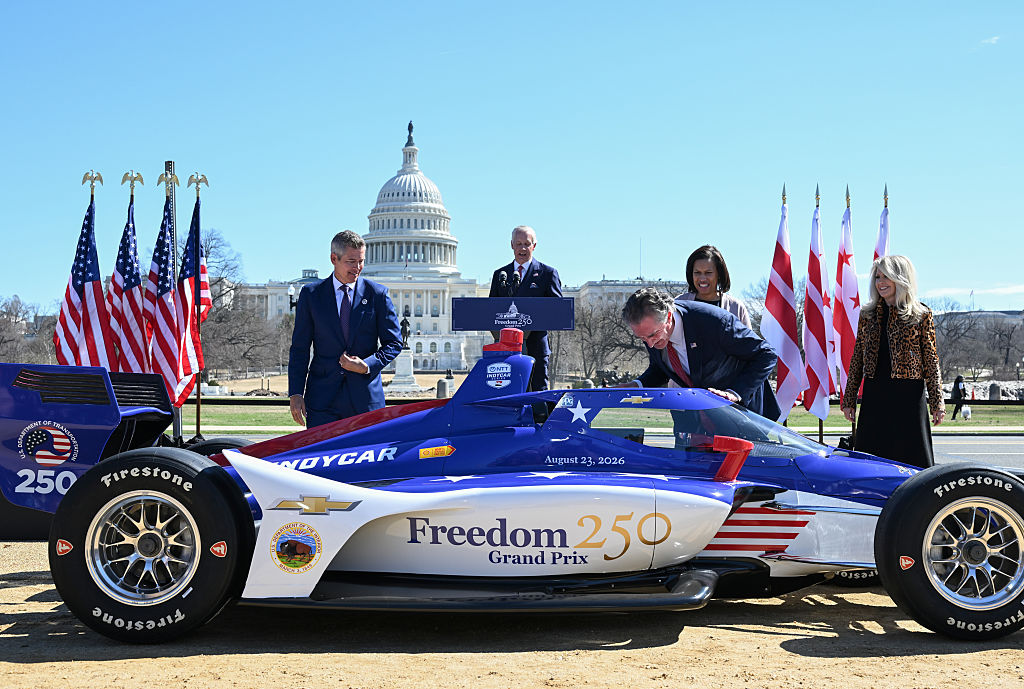
A slice of Washington, D.C., will be transformed into an IndyCar race track this weekend for an event commemorating the U.S.'s 250th birthday.

Mathematical verification must be a national mission in the AI era, write Patrick Shafto, Ken Ono, and Scott Duke Kominers.

Iran rejects Trump’s threat of sweeping economic warfare as U.S.-Iran talks remain stalled and the nearly six-month war enters a new phase.

The Duke and Duchess of Sussex have been largely distant from the Royal family since moving to California in 2020.

What lettuce folks are looking forward to, and how the Cyclospora outbreak has changed the game.

The Stanford neurology professor built a blood test that flags which of your organs is aging faster than the rest of you, years before disease symptoms show up.
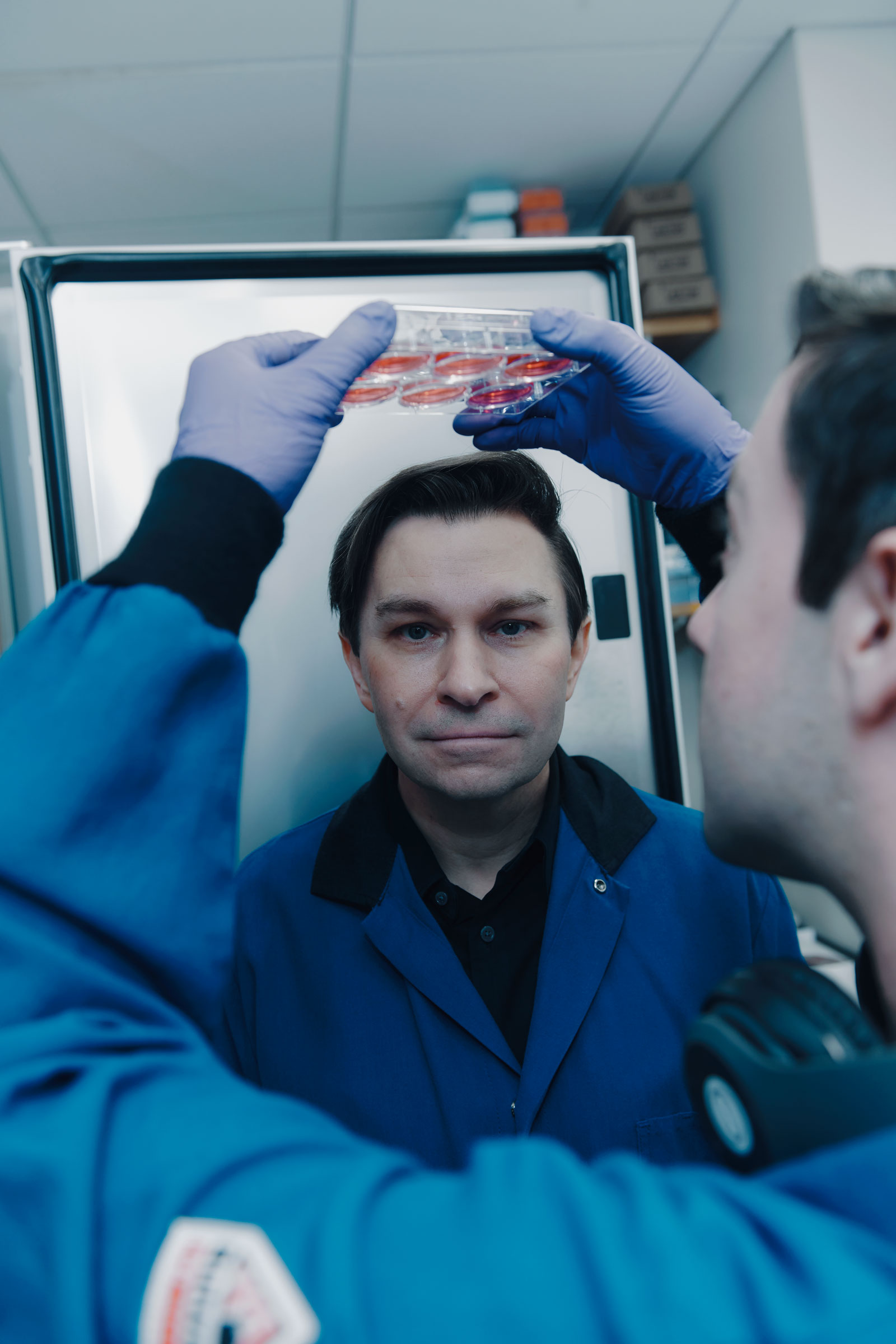
Harvard geneticist David Sinclair explains why his lab believes aging functions like a reversible disease— and what it will take to prove that.
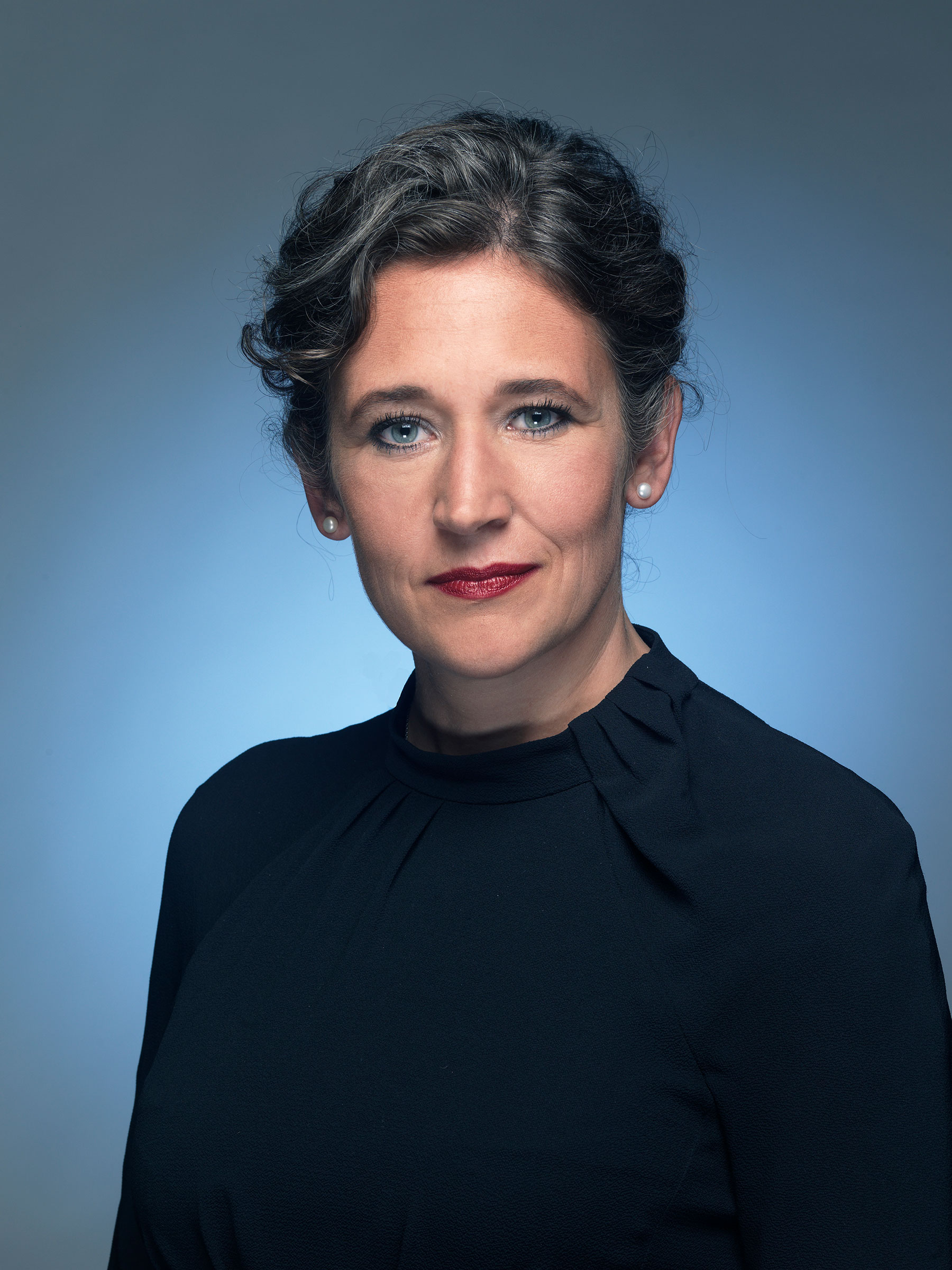
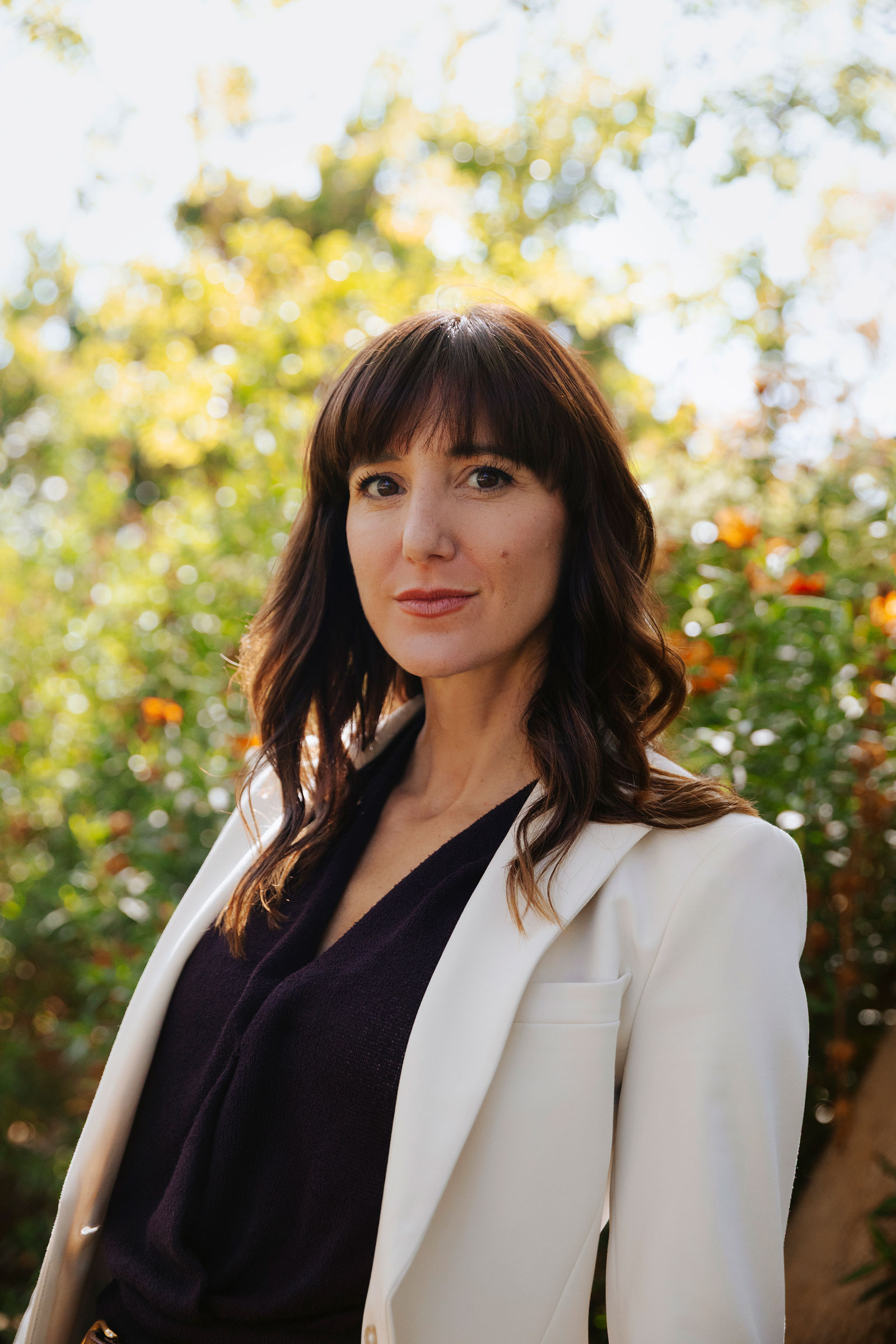
Justice, executive director of XPRIZE Healthspan, wants teams to prove human aging can be measurably reversed, not just slowed.
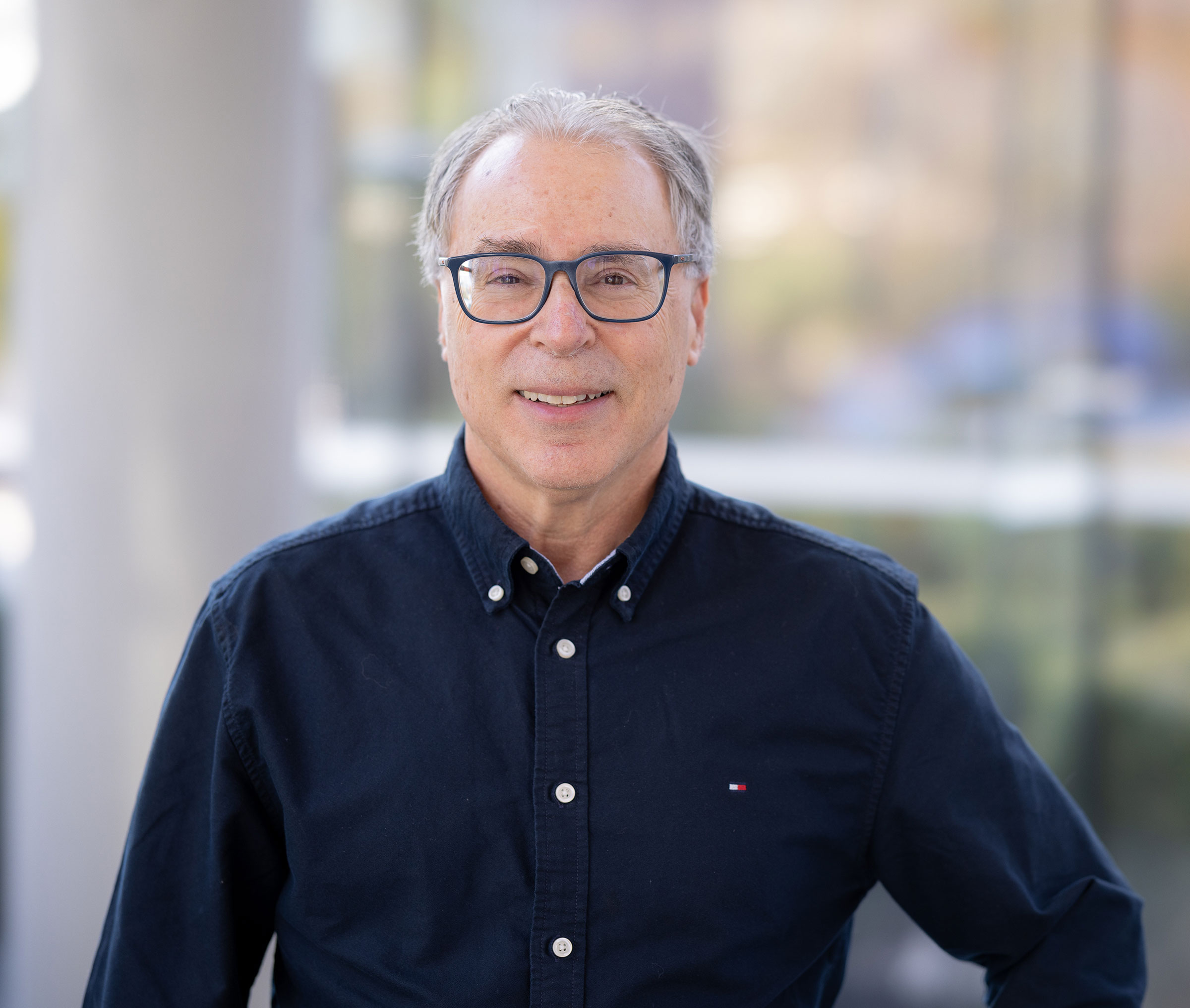
The geneticist has played an instrumental role in pushing the idea that existing drugs could be repurposed as longevity-boosting treatments.
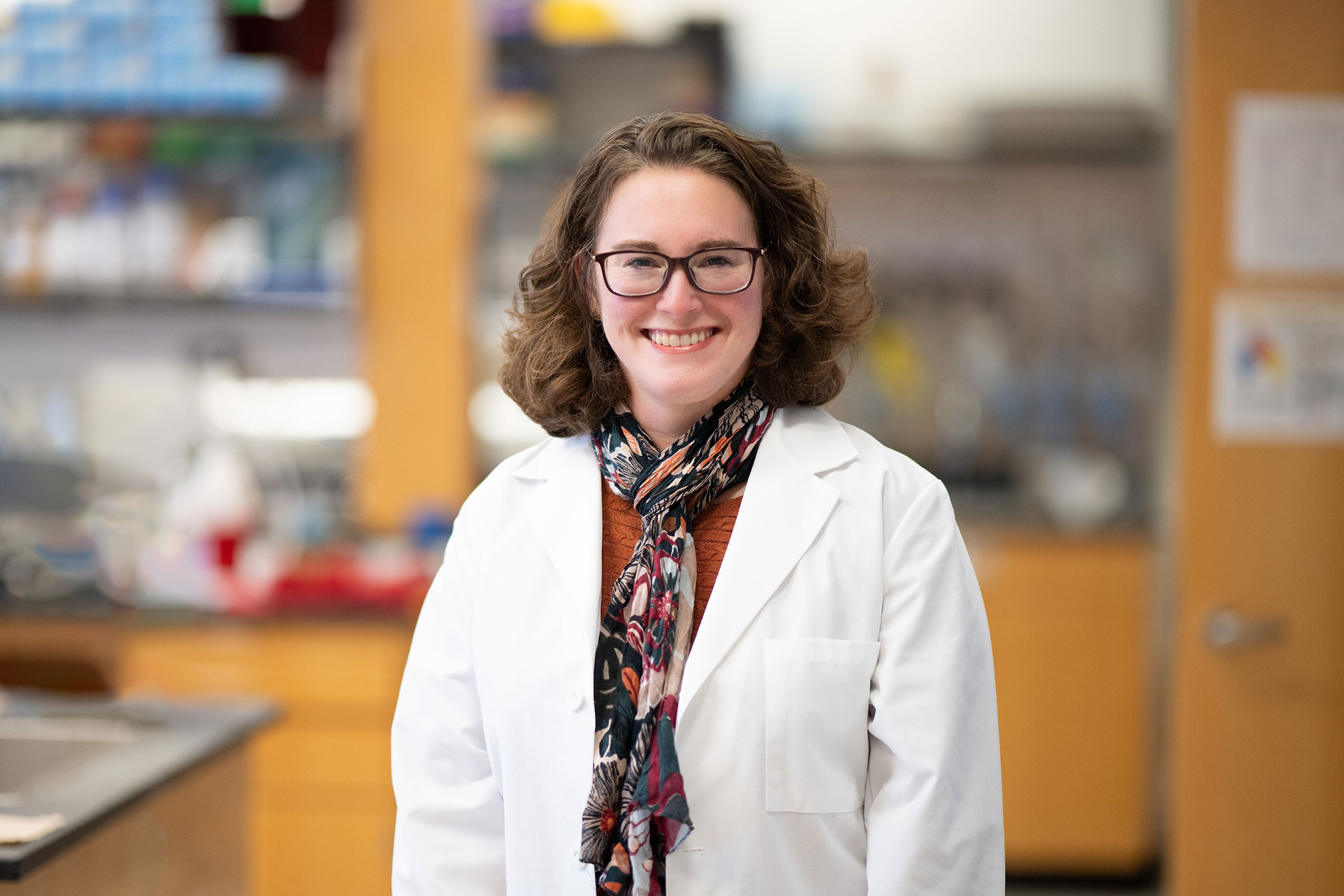
“Pretty much every organ system you can think of is touched by the ovaries,” says Francesca Duncan, a reproductive biologist at Northwestern University and Buck Institute for Research on Aging.
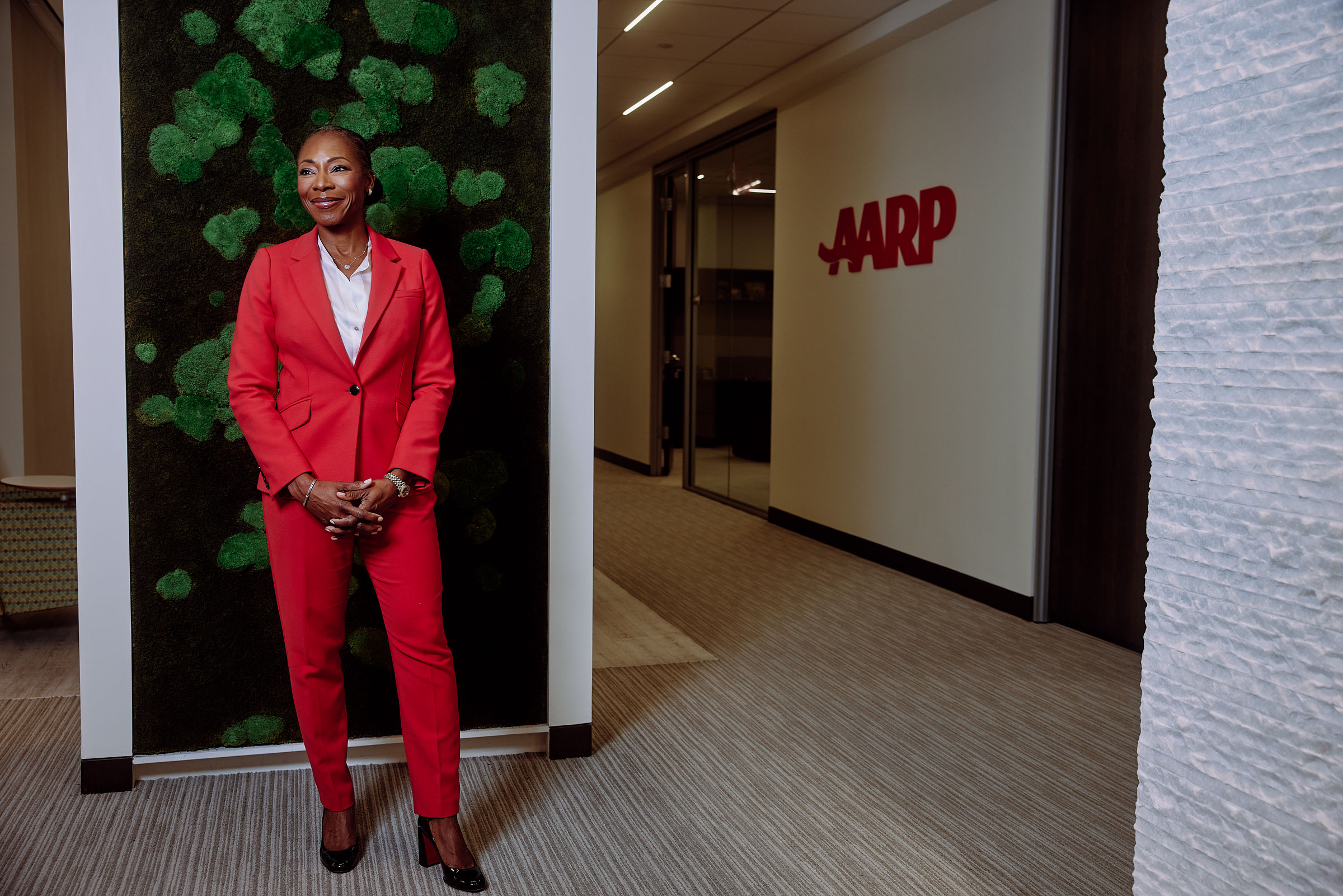
Dr. Minter-Jordan wants to retire the idea that aging equals decline, and aims to rebuild policy around living longer and better.